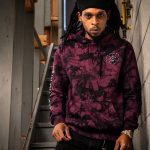
PHILADELPHIA – Two decades ago, Freeway, a talented rapper from Philadelphia, signed with Roc-A-Fella Records under the mentorship of rap mogul JAY-Z. Now, in a remarkable turn of events, his debut album, “Philadelphia Freeway,” serves as a compelling narrative that maps out the transformation of his city.
Freeway’s rise to prominence was fueled by his friend and fellow artist Beanie Sigel, who championed the aspiring rapper’s talent and supported the emergence of several Philly artists. The journey began with Freeway’s feature on the Roc-A-Fella compilation album, “The Dynasty: Roc La Familia,” on the track “1-900-Hustler.” This breakthrough paved the way for his own artistic expression.
For Freeway, who had made a name for himself in North Philly as a skilled battle rapper, this opportunity was a pivotal moment. Fueled by determination, he declared, “This is my shot. I’m not ever going to go out like that again.” Little did he know that his life would take an extraordinary turn, ultimately leading to Rolling Stone magazine calling him.
“Philadelphia Freeway,” Freeway’s debut album, stands as a mesmerizing documentary, vividly capturing the complexities of Philadelphia’s urban environment, both its pains and pleasures. The city’s rich musical history, encompassing genres like soul and rap, serves as a backdrop to Freeway’s lyrical storytelling.
Philadelphia’s renowned Philadelphia Soul Sound, cultivated by Philadelphia International Records in the 1970s, boasted legends such as Teddy Pendergrass, Patti Labelle, and The O’Jays. Additionally, the city played a crucial role in rap music’s early development, birthing influential acts like Schooly D and contributing to the genre’s East Coast expansion.
However, Philadelphia’s vibrant music scene faced significant challenges in the late 20th century due to poverty, drugs, and systemic violence. Criminal organizations like the Junior Black Mafia held sway in West Philadelphia, while police brutality targeted Black activist groups like the Black Panthers and MOVE organization. Amidst this chaos, Freeway emerged, drawing inspiration from the city’s turbulent streets and adopting his moniker from notorious drug trafficker Freeway Rick Ross.
Reflecting on his roots, Freeway shared, “I was born in West Philly and migrated to the North. This is where I did all my dirt. That’s why I rep the North. I got people incarcerated and other friends locked down, and I got a lucky break. Sigel looked out. I was struggling.” Despite the hardships, he expressed no regrets, believing that every experience had shaped his character.
Supported by the talents of producers Just Blaze, Bink!, and Kanye West, Freeway’s “Philadelphia Freeway” delves into the city’s religious, social, and economic aspirations through his eyes. This album serves as a poignant reflection of a city in flux and an artist’s journey from struggle to triumph.
As Freeway’s debut album hits the airwaves, it offers a profound testament to the resilience and spirit of Philadelphia, marking a milestone in both his career and the city’s musical evolution.
More from Editorials

EARTHGANG Turns Climate Awareness Into Music With New Single “Cool Me Down”
EARTHGANG is using its music to spotlight an issue reaching far beyond hip-hop with the release of its latest single, …
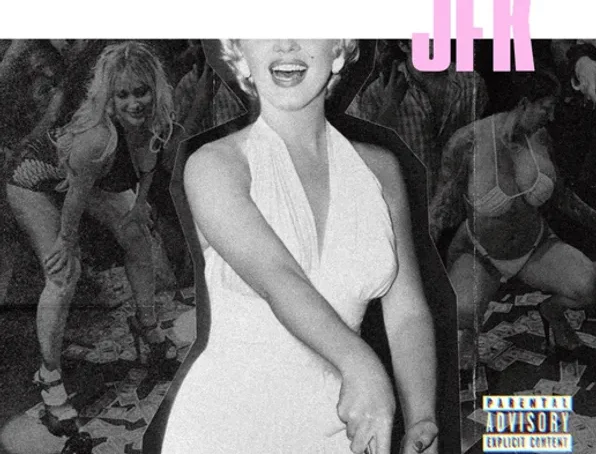
G-Eazy and Ty Dolla $ign Launch a New Era With “JFK”
G-Eazy is officially entering a new chapter, and he’s kicking things off alongside Ty Dolla $ign with their new collaboration, …
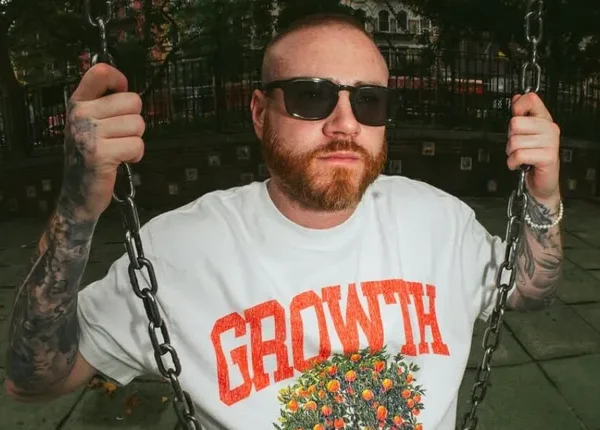
Rory Explains Why He Confronted QueenzFlip During Club Livestream
Rory Farrell is giving more context to his recent confrontation with QueenzFlip after the two crossed paths at a New …