The battle over artificial intelligence in music is entering a new chapter, and TIDAL is making it clear where it stands. The streaming platform has announced plans to remove music created entirely by artificial intelligence, setting December 9 as the date when its tougher policy will take effect. The move puts TIDAL among the most aggressive major streaming services when it comes to addressing the growing flood of AI-generated recordings.
The company says the decision comes after its previous approach of identifying, labeling, and withholding royalties from wholly AI-generated tracks failed to slow the volume of submissions. According to figures shared by TIDAL, approximately 43% of the tracks delivered to the platform over the previous 90 days were identified as entirely AI-generated. The numbers became even more striking on November 6, when the company reportedly saw AI-generated music account for more than 60% of that day’s incoming deliveries.
TIDAL estimates that around 27 million tracks in its catalog have been identified as wholly AI-generated, representing approximately 6.3% of its available music. The company also says 96% of those tracks received no streams during the previous three months. While AI tools have made music creation more accessible, TIDAL argues that an overwhelming volume of machine-generated uploads can make it harder for human artists to reach listeners and build meaningful audiences.
The new rules will affect both existing music and future submissions. Starting December 9, TIDAL intends to remove wholly AI-generated recordings from its catalog, with the process expected to eliminate millions of tracks by the beginning of 2027. The company estimates that its new restrictions could lead to approximately 80,000 to 85,000 rejected submissions every day. Distributors will also be prohibited from delivering tracks created entirely through generative AI, and submissions identifying AI as the sole creative source will be rejected.
However, TIDAL is not closing the door on every use of artificial intelligence. Artists who incorporate AI tools into a broader human-led creative process can still distribute their music. The distinction is between using technology as an instrument and allowing generative AI to produce the entire recording.
For independent musicians, producers, and labels, the announcement raises important questions about how streaming platforms will define creative ownership as technology evolves. TIDAL’s message is that innovation should not come at the expense of artists whose work depends on human creativity.
With AI music becoming increasingly common across digital platforms, TIDAL’s decision could put additional pressure on the streaming industry to reconsider how it handles machine-generated content. Whether other major services follow its lead remains to be seen, but the conversation surrounding authenticity, royalties, and the future of music distribution is getting louder.
You might also like

More from Editorials
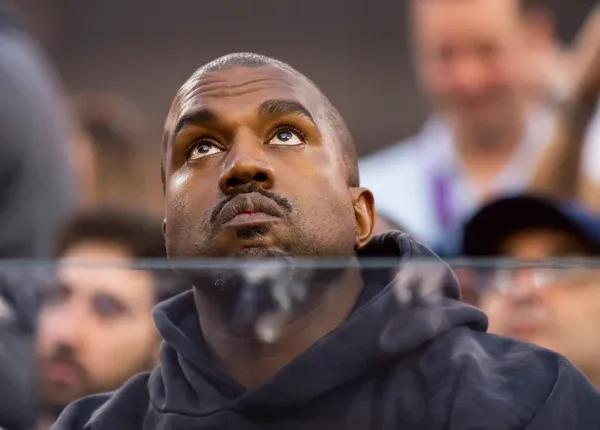
Kanye West Brings Big Sean Back Onstage In Arizona For A G.O.O.D. Music Reunion
Kanye West gave fans a memorable moment during the final night of his announced 2026 U.S. stadium run, bringing Big …
Chris Brown Shares Heartwarming Moment With Elderly Fan Singing “Take You Down”
Chris Brown continues to prove that his music connects with fans across generations. The R&B superstar recently shared a wholesome …

Polo G Keeps His Comeback Moving With New Single “Dope Spot”
Chicago Storytelling Meets a Fresh Chapter Polo G has built his reputation on turning real-life experiences into music that connects. From …