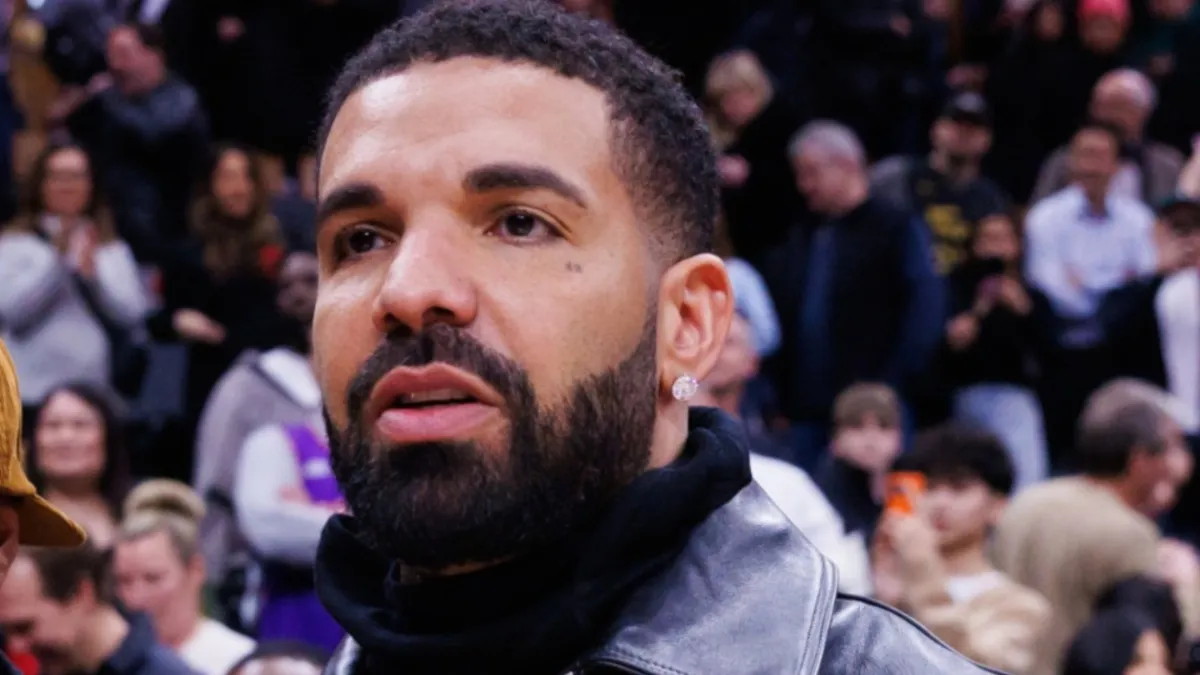
Every few months, hip-hop finds itself at the center of a legal story that feels bigger than music. This time, it’s Drake — again — and a lawsuit that’s got people throwing around words like “RICO,” “illegal gambling,” and “streaming manipulation.”
Let’s slow it down and unpack what’s actually happening, because despite the headlines, this isn’t Drake getting arrested or charged with a crime. What we’re looking at is a civil class-action lawsuit filed in Virginia, and it’s aimed at Stake.us, with Drake and streamer Adin Ross named for their alleged roles in promoting and benefiting from the platform.
The Lawsuit’s Big Accusation
The plaintiffs argue that Stake.us presents itself as a harmless social casino, but in reality functions like a full-blown online gambling site. According to the complaint, the platform uses a clever system involving virtual currencies to get around U.S. gambling regulations.
Here’s how it allegedly works: users buy “Gold Coins,” which come bundled with Stake Cash. That Stake Cash can then be wagered on casino-style games and redeemed for crypto or gift cards. Plaintiffs say that’s essentially real-money gambling — just wrapped in a digital disguise.
Because of this setup, the lawsuit claims Stake.us has been able to operate in states where online gambling would normally be banned.
Drake’s Alleged Role as a Promoter
Drake isn’t accused of running the company, coding the platform, or managing operations. Instead, the lawsuit describes him as a powerful marketing engine. His public relationship with Stake — livestreams, posts, shoutouts — allegedly gave the platform legitimacy and massive reach.
Court filings estimate Drake’s Stake deal could be worth nine figures annually, which helps explain why his involvement is under such heavy scrutiny.
The most explosive claim? Plaintiffs allege that funds Drake received through Stake’s internal systems were used, directly or indirectly, to bankroll fake streaming activity — including bots and streaming farms designed to boost his music numbers.
Adin Ross and the Streaming Economy
If Drake brought star power, Adin Ross allegedly brought access. The lawsuit claims Ross hosted frequent Stake gambling streams that doubled as ads, pulling in massive young audiences.
During these streams, Ross and Drake allegedly exchanged large sums through Stake’s tipping feature — sometimes in amounts reaching six figures. According to plaintiffs, these transactions weren’t just for show; they allegedly played a role in moving money in ways that were difficult to track.
The Tipping System Explained
One of the lawsuit’s main targets is Stake.us’s tipping feature, which allows users to send value to each other instantly. Plaintiffs argue this system worked like an unregulated payment network, bypassing safeguards common in banks or financial apps.
The lawsuit claims funds moved through this system eventually reached George Nguyen, who is accused of coordinating streaming manipulation via bots, clipping services, and paid amplification networks — all allegedly used to inflate Drake’s streaming performance.
Why Civil RICO Is Involved
RICO laws don’t just apply to mob movies. In civil cases, they’re used to argue that multiple parties acted together over time as part of a single enterprise.
Here, the plaintiffs claim Stake.us, Drake, Ross, and intermediaries formed a coordinated system involving illegal gambling, deceptive promotion, and digital manipulation. If proven, that opens the door to treble damages, meaning defendants could owe triple the amount of losses.
What the Plaintiffs Are Seeking
The lawsuit is being brought by users who say they were misled by celebrity endorsements and suffered financial harm. They’re asking for class-action status, millions in damages, restitution, and court orders that would force Stake.us to change or stop its U.S. operations.
Stake’s leadership has publicly brushed off the lawsuit, projecting confidence as the story spreads online.
At this stage, everything remains alleged, and no court has ruled on the claims. But the case highlights a growing tension in hip-hop and digital culture — where music, money, streaming, and gambling increasingly overlap.
As this plays out, one thing’s certain: this isn’t just about Drake. It’s about how influence works in the internet era — and who’s responsible when entertainment crosses into exploitation.
More from Stars
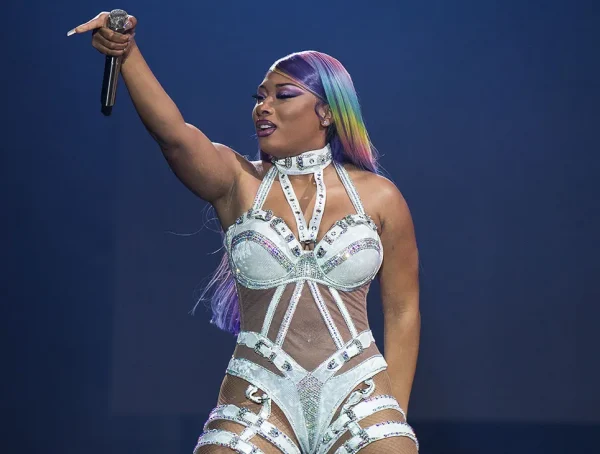
Megan Thee Stallion Turns Up The Heat With “Thin Ice” Tina Tuesday Freestyle

Megan Thee Stallion is keeping her momentum going with another installment of her Tina Tuesday freestyle series. The Houston rapper …
Doechii Unleashes Her Fierce Side On New Track “CATWOMAN (Swamp Sessions)”
Doechii is keeping fans engaged as she prepares for her highly anticipated debut album, returning with another installment of her …
Cam’ron’s Jay-Z Super Bowl Prediction Gains Attention After New Halftime Show Report
Cam’ron may have been onto something when he suggested that JAY-Z could be preparing to headline the Super Bowl halftime …